
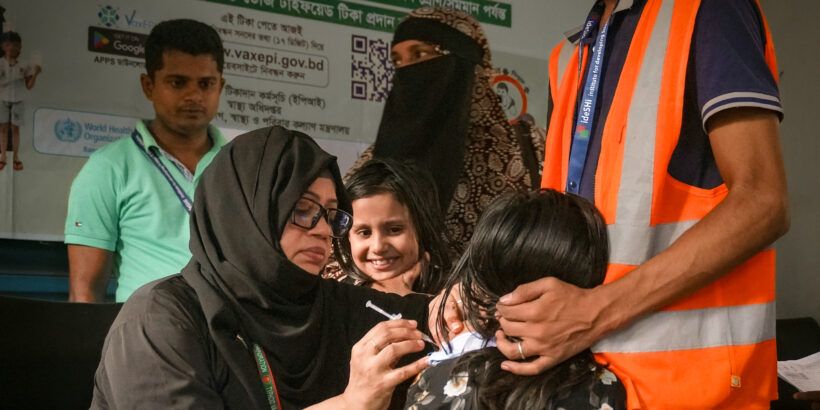
On August 14, 2026, the World Health Organization (WHO) published revised recommendations for the use of typhoid conjugate vaccines (TCV) in the Weekly Epidemiological Record. The updated recommendations continue to emphasize the importance of TCVs, as well as offer new consideration for countries to ensure that children receive the strongest protection.
What’s changed in the new recommendations
The previous WHO policy recommends TCV introduction in countries or settings with a high or very high incidence of typhoid or a high burden drug-resistant typhoid. Countries may also consider introducing TCV in settings with a medium incidence of typhoid and a high case fatality ratio, or settings with a high burden of drug-resistant typhoid.
The newly updated recommendation continues to emphasize what we already know: TCVs provide safe, long-lasting protection from typhoid for up to four years, making them an essential tool to prevent the spread of the disease in typhoid-endemic countries.
The updated policy advises countries to consider introducing a booster dose close to 5 years of age in settings with very high typhoid incidence for children who received a primary dose of TCV between 9-24 months of age. Countries may also consider booster doses in settings where children receive a primary dose of TCV younger than 23 months, especially areas with a high case fatality ratio or very high prevalence of drug resistance.
Booster doses are especially valuable in areas with very high typhoid incidence because they reinforce protection for children who receive TCV at a young age. When children are vaccinated early in their lives, their protection gradually wanes as they get older. Providing a TCV booster dose can help close this gap and ensure that children are protected as they grow.
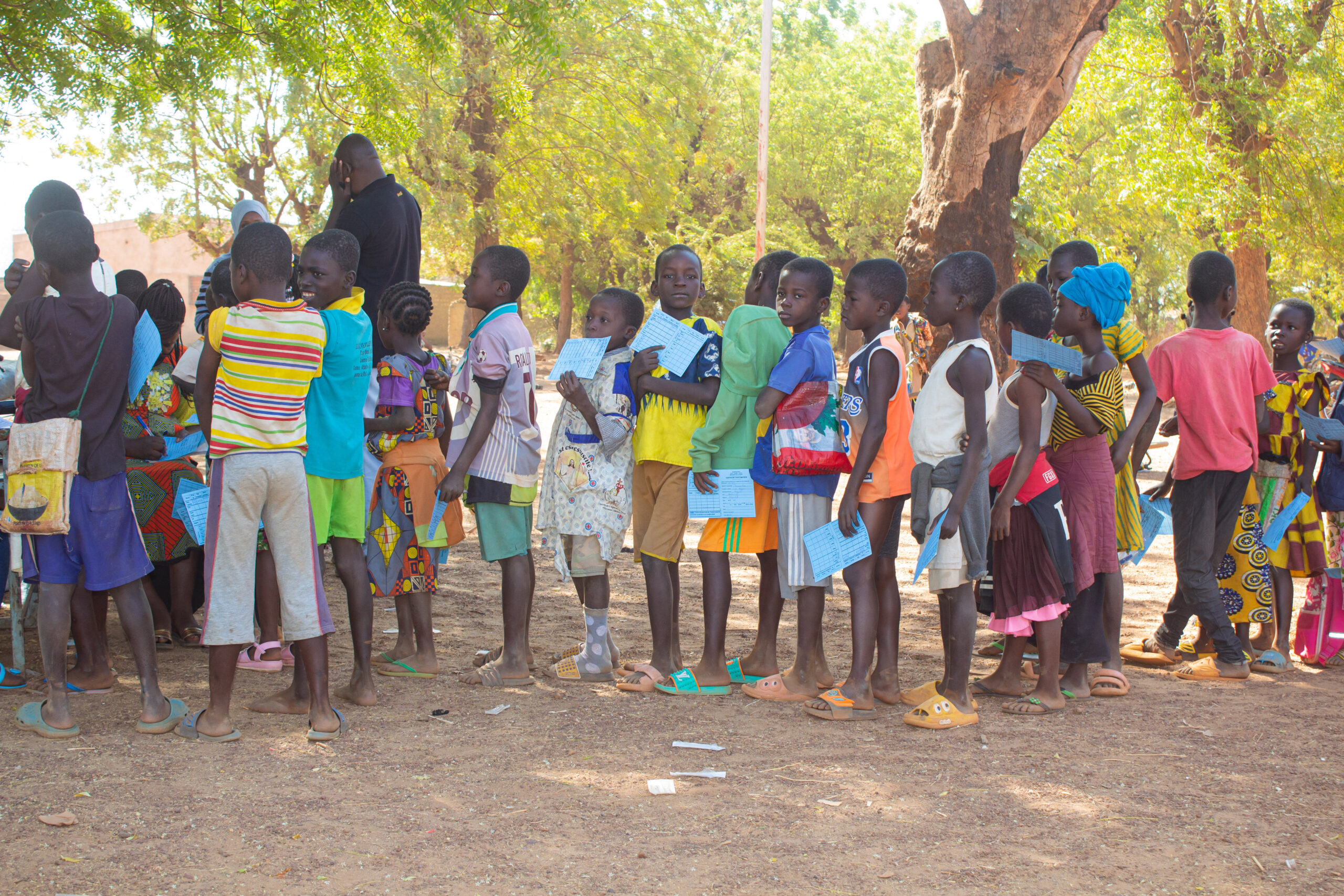
Photo: Children line up to receive TCV in Burkina Faso during the country’s TCV introduction campaign in January 2025. Credit: TyVAC/Build Africa Communications.
From evidence to implementation
The new WHO recommendations highlight the importance of TCV as one of our most powerful defenses against typhoid. Nearly 150 million children have received TCV during introduction campaigns, and nine countries have introduced TCV into their routine immunization programs with support from Gavi, the Vaccine Alliance. The challenge now is to keep up that momentum, especially with drug-resistant typhoid, climate change, displacement, and other risk factors on the rise.
As countries prioritize and consider changes to their routine immunization schedules, the new WHO recommendations can help guide decision-makers. In addition to booster doses, countries may consider innovative introduction strategies like vaccinating an older age cohort or introducing in hotspots rather than nationwide.
One thing hasn’t changed: TCVs are making an impact globally. From Kenya to Nepal, TCVs are helping protect millions of children, preventing outbreaks, and halting the spread of drug-resistant typhoid in communities. Anecdotal data from Kisumu County, Kenya suggest that the number of typhoid cases has fallen significantly in the first eight months after introduction, leading to fewer hospitalizations and less disruption for parents and caregivers. With the newly released recommendations, countries now have guidance that can aid decision-making, support prioritization, and help strengthen this protection further.
Cover photo: A vaccinator delivers TCV to a child during Bangladesh’s TCV introduction campaign in October 2025. Credit: TyVAC/Muhibul Kashem.