
World Health Day 2026 calls on the global community to stand with science, highlighting the power of scientific collaboration to protect the health of people, animals, plants, and the planet. For typhoid fever, science has driven progress not only through vaccine development, but also through disease surveillance, burden estimation, and research that help us understand how people contract typhoid. These forms of evidence are essential for turning scientific knowledge into real‑world health impact.
Science beyond vaccines: Understanding disease burden and transmission
Typhoid conjugate vaccines (TCV) are one of the best tools we have to protect against typhoid: they are safe and effective, providing strong protection against the disease for at least four years. Bringing TCV to the communities that need it requires strong data and scientific research to answer fundamental questions: Where is the burden highest? Who is most affected? Are infections driven primarily by unsafe water, contaminated food, inadequate sanitation, or multiple pathways? Are drug-resistant pathogens being transmitted?
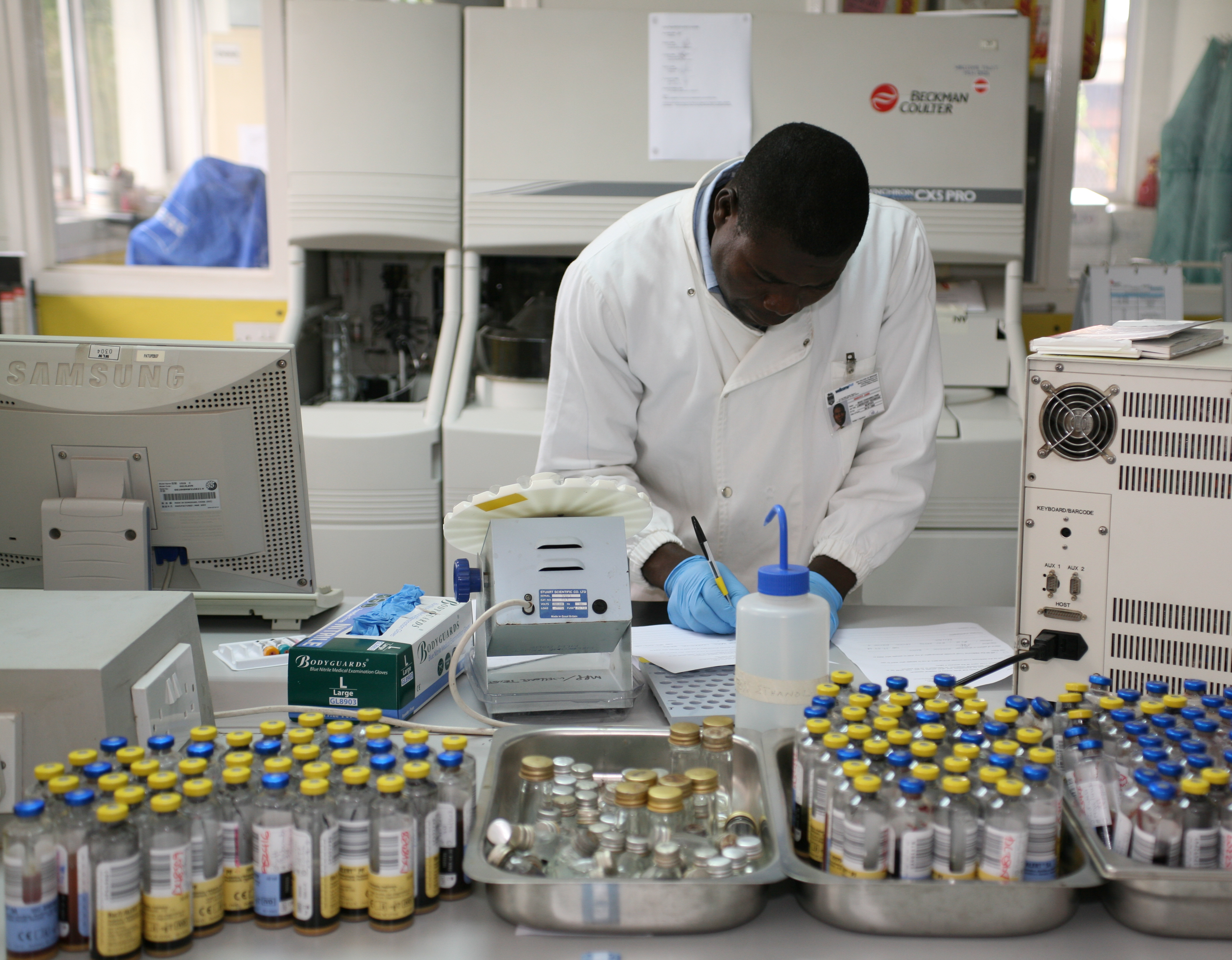
Surveillance systems, laboratory confirmation, facility records, and epidemiological studies provide the evidence countries need to prioritize health interventions. This science informs decisions about introducing TCV, strengthening water and sanitation systems, and focusing resources where they will have the greatest health impact.
Typhoid in a changing world
Scientific evidence also shows that typhoid risk is influenced by environmental factors. Climate change increases flooding and water contamination. It can also prolong droughts, forcing communities to rely on unsafe water sources. Rapid urbanization strains sanitation systems, and migration shifts disease patterns. At the same time, drug resistance makes typhoid harder to treat. Addressing these challenges requires integrated, evidence‑based approaches that combine vaccination, WASH improvements, surveillance, and antimicrobial stewardship, guided by data and adapted to local contexts.
Collaboration as the bridge between evidence and impact
Scientific evidence alone is not enough: Collaboration is what turns data into action. Partnerships among governments, researchers, civil society organizations, and communities help translate surveillance data, effectiveness studies, and operational research into national policy and program implementation.
In Malawi, one of the largest typhoid vaccine efficacy studies ever conducted enrolled nearly 28,000 children in Blantyre. The study generated robust local evidence, showing that a single dose of TCV was more than 80 percent effective in preventing blood-culture-confirmed typhoid fever among vaccinated children. Similar studies in Bangladesh and Nepal provided critical vaccine effectiveness data to cement the role of TCV in protecting against typhoid.
These three countries share a similar trajectory: high‑quality surveillance through projects such as the Strategic Typhoid Alliance across Africa and Asia documented a significant typhoid burden, and when combined with large‑scale effectiveness studies, governments could use the data to inform vaccine introduction decisions and strategy.
Together, the experiences of Malawi, Bangladesh, and Nepal show how strong surveillance, rigorous research, and cross‑sector scientific collaboration translate evidence into healthier communities and support real‑world health impact. The data from the early effectiveness studies, plus data from outbreak response campaigns and early introduction countries such as Pakistan and Liberia, weave together a compelling case for TCV introduction in myriad countries. Strengthening support for scientific research and data collection can translate into lasting protection for communities against diseases like typhoid.
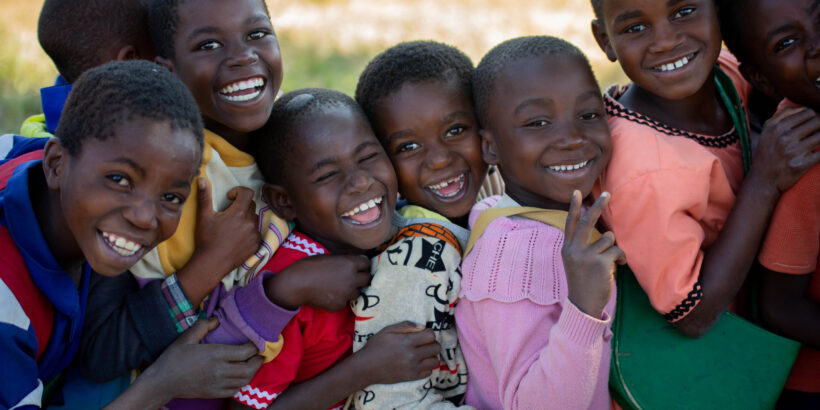
Cover photo: Children smile as they queue up to receive TCV in Phalombe, Malawi. Credit: TyVAC/Madalitso Mvula.