

As 2025 comes to a close, I’m proud to reflect on the incredible progress on typhoid control accomplished this year. During the last 12 months, more than 80 million children received typhoid conjugate vaccines (TCV) in introduction campaigns, bringing the total number of children who have received TCV during a campaign to more than 130 million. This is an incredible number—one that reflects the dedication of many partners, government leaders, and other stakeholders working to prevent typhoid.
A record year for TCV introduction
Four countries—Burkina Faso, Kenya, Bangladesh, and Niger—introduced TCV in 2025, bringing this lifesaving vaccine to an extraordinary number of children across the globe. TCV is safe, effective, and provides protection against typhoid for more than four years, making it one of the most powerful tools we have to prevent the disease. As drug-resistant typhoid becomes more common, TCV is especially important: it can help stop the spread of drug-resistant strains and prevent serious complications like typhoid intestinal perforation.
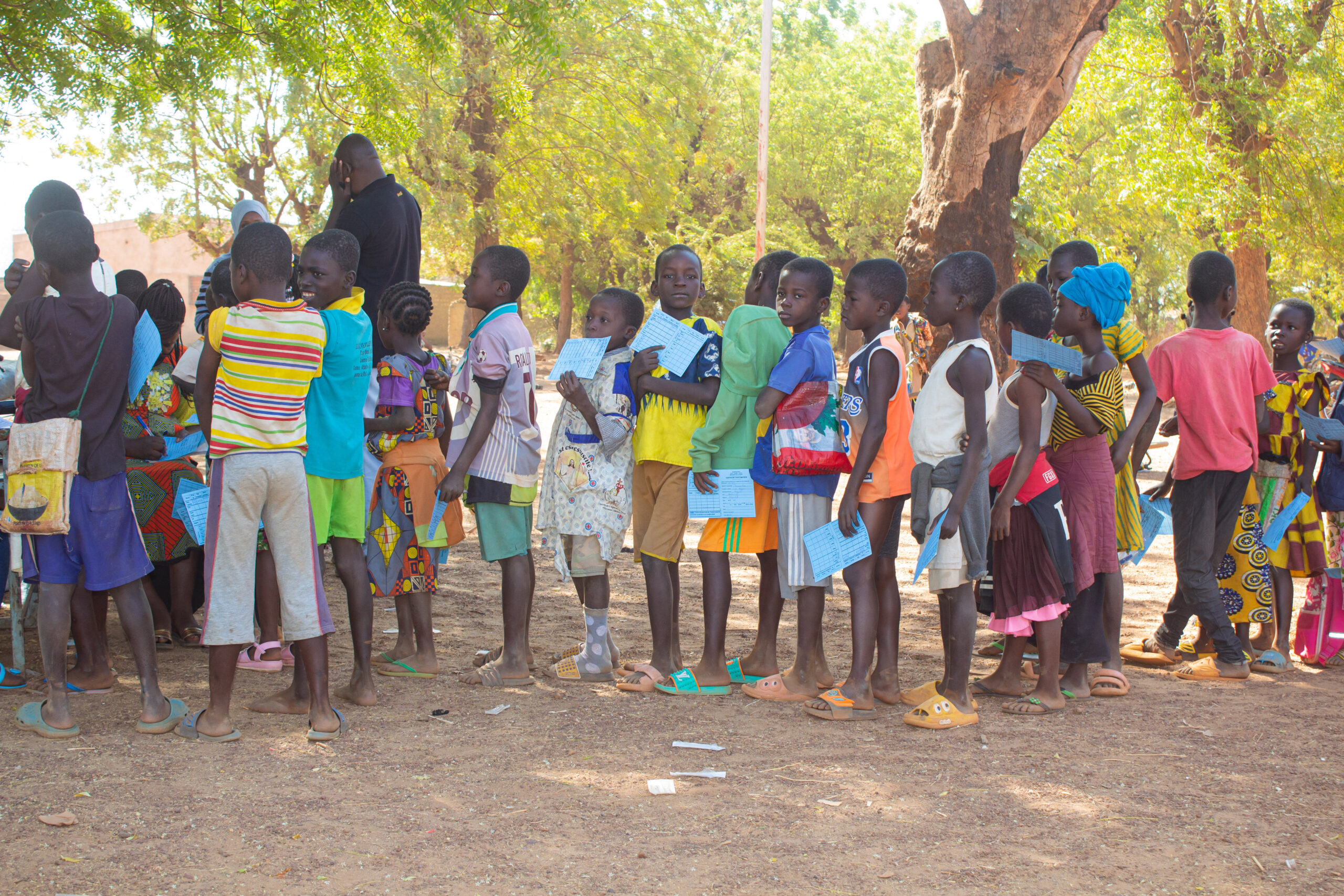
Photo: Children line up to receive TCV in Burkina Faso during the country’s TCV introduction campaign in January 2025. Credit: TyVAC/Build Africa Communications.
Across all four countries that introduced TCV this year, we’ve seen incredible enthusiasm and support for introduction campaigns. Governors and regional leaders have championed TCV to their constituencies, while health workers and vaccinators have gone above and beyond to ensure as many children as possible receive the vaccine. Communities have turned out in droves, from caregivers bringing their children to vaccination sites to school teachers supporting campaign activities. It’s thanks to the commitment of hundreds of volunteers, campaign workers, vaccinators, caregivers, and government leaders that this year’s TCV campaigns have been such a success.
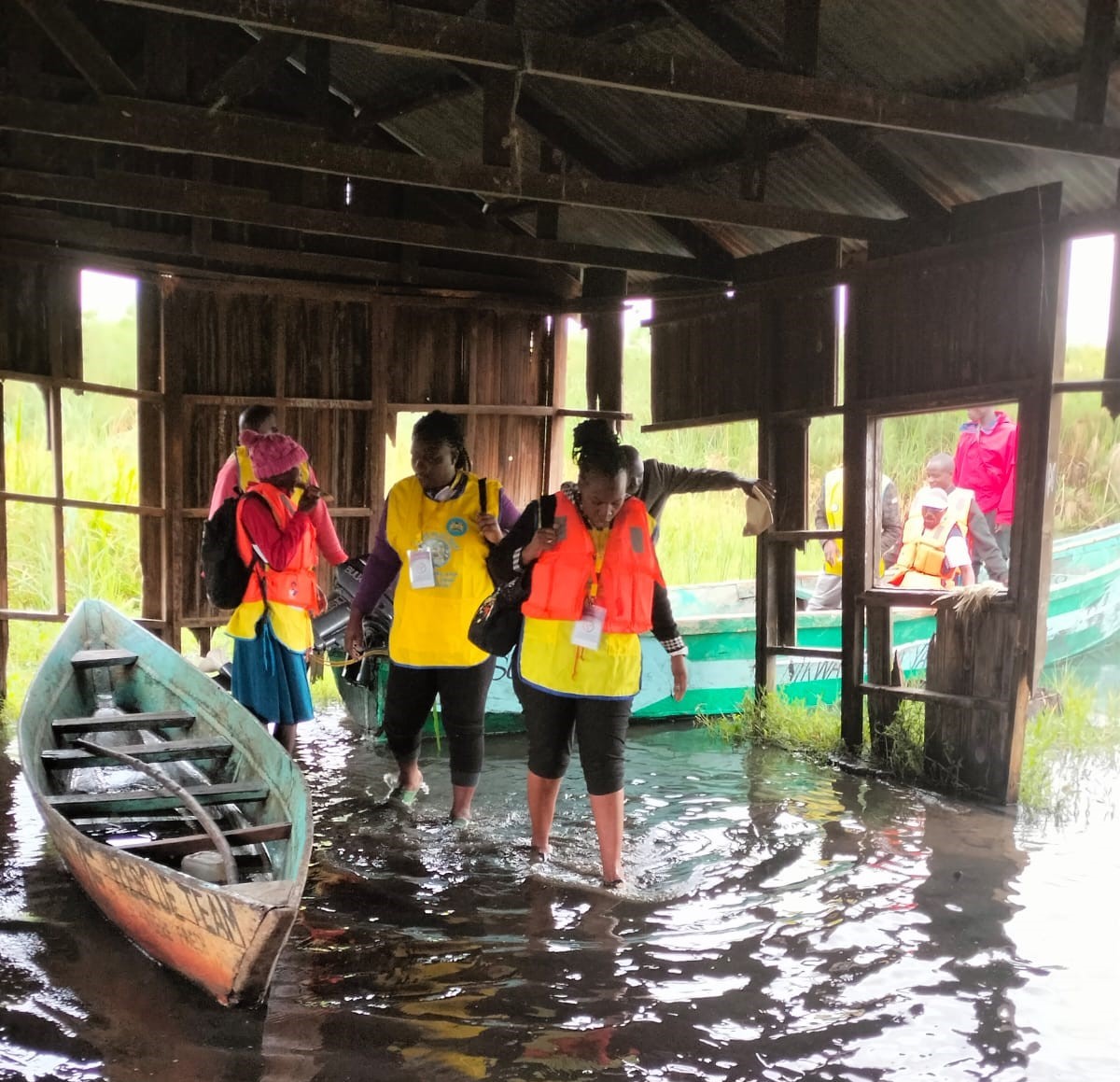
Photo: Vaccination teams in Busia County, Kenya, traveled by boat to reach Madua Primary School during Kenya’s TCV introduction campaign in July 2025. Credit: Penina Onyango.
Improving typhoid surveillance
Many other countries have also demonstrated a deep commitment to typhoid prevention and control this year. Pakistan, for example, introduced TCV in 2019 and now maintains 22 surveillance sites to monitor typhoid cases and detect outbreaks. Pakistan introduced TCV in 2019 and has since vaccinated more than 30 million children through TCV campaigns, along with millions more through routine immunization. TCV is already making an impact: a study published this year found that typhoid incidence fell by 49 percent in Sindh province and 66 percent in Punjab province in the first two years following TCV rollout. Ongoing impact studies will tell us more about how TCV is preventing disease in Pakistan and other countries.
Fiji has also prioritized surveillance this year through the International Vaccine Institute’s Typhoid in Fiji – Vaccination towards Elimination (Ty-FIVE) project. Following Fiji’s mass TCV campaign in 2023, the Ty-FIVE project is working to strengthen typhoid surveillance with improved reporting, sampling, and contact tracing. These are only two examples of the incredible work being done around the globe to prevent outbreaks and improve our understanding of disease patterns.
What’s next for typhoid prevention
2025 has also brought exciting research and innovations in the typhoid space, including promising Phase 3 results from a trial of a new TCV. In the future, adding a new TCV product could help increase access to TCV while ensuring a stable vaccine supply and market.
This has been a banner year for typhoid prevention—but we can’t afford to let the momentum slow. Drug resistance, extreme weather, and conflict and displacement are all raising the risk of typhoid outbreaks, making advocacy for TCV more critical than ever. Countries need sustained support to strengthen TCV programs, reach children through routine immunization, and explore innovative strategies to prevent typhoid. Continued prioritization of TCV will be essential in the years ahead. As we celebrate this year’s milestones, let’s commit to ensuring that no child is left vulnerable to typhoid.
Cover photo: A vaccinator administers TCV during Bangladesh’s introduction campaign in fall 2025. Credit: TyVAC.