
Bangladesh has one of the highest incidences of typhoid fever per capita. It is estimated that there are more than three hundred cases of typhoid per one hundred thousand people ...
Read more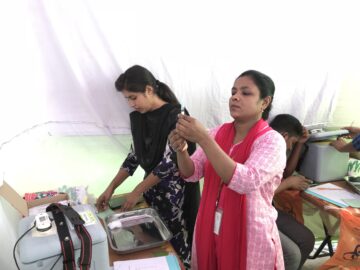
Bangladesh has one of the highest incidences of typhoid fever per capita. It is estimated that there are more than three hundred cases of typhoid per one hundred thousand people ...
Read more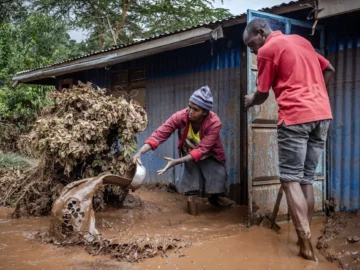
In addition to improved water and sanitation, typhoid conjugate vaccines (TCVs) can prevent illness to at-risk communities during extreme weather events. Heavy rains and flash flooding in Kenya have displaced ...
Read more
Article published in Nature Portfolio Communications Biology, please see link here. Since the 1940s, antibiotics have been used to treat typhoid. With the rise of drug-resistant Salmonella Typhi (S. Typhi), ...
Read more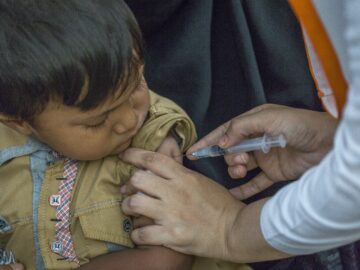
Typhoid is a serious illness that can have a long recovery period. Beyond the physical impact of the disease, typhoid can be expensive to treat. Understanding the economic costs of ...
Read more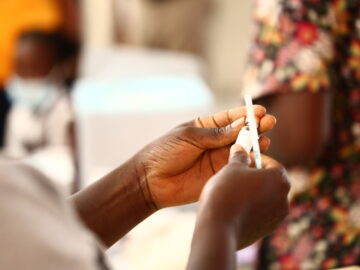
Every year, on June 20, the world pauses to acknowledge the refugees and internally displaced people (IDPs) of our world. We talk about their plight, we recognize the hardships they ...
Read more
Promises of magic bullet – or one-shot – solutions have a long history in public health, where interventions from water closets to antibiotics and vaccines were often touted as definitive ...
Read more
Dublin’s ‘sweet Molly Malone’ is a well-known sight on the city’s tourist map, and her ballad ‘Cockles and Mussels’ has been recorded by musicians from The Dubliners to Joni Mitchell. ...
Read more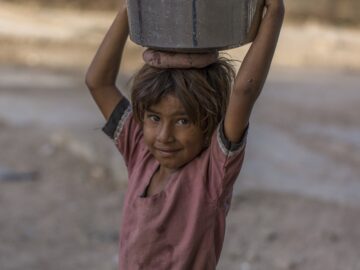
Climate change leads to severe and prolonged weather events, which adversely affect access to safe water and sanitation infrastructure. As a result, communities can face an elevated risk of typhoid. ...
Read more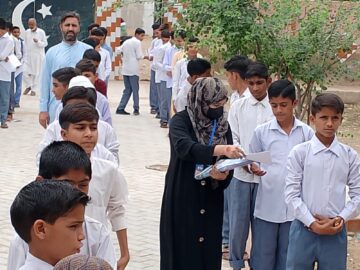
Since an outbreak of extensively drug resistant (XDR) typhoid, Pakistan has made great progress in typhoid prevention and control. In 2019, the country introduced typhoid conjugate vaccine (TCV), a highly ...
Read more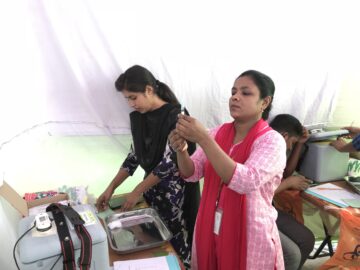
More than half of the world’s population lives in urban areas and the numbers are increasing. Slums in low-income countries often develop quickly, unplanned, and with limited resources for infrastructure. Water, sanitation, and ...
Read more