

Pour lire ce blog en français, veuillez cliquer ici.
Typhoid fever is a serious health threat in many low- and middle-income countries, including in West Africa. Typhoid spreads quickly in communities without reliable access to clean water and improved sanitation, and children often carry the highest burden. If left undiagnosed and untreated, typhoid can lead to severe complications like intestinal perforations, which require surgery and can be fatal. Drug-resistant typhoid strains are evolving, making treatment more difficult and more expensive. Typhoid prevention, through vaccination, safe water, and improved sanitation, is critical. Typhoid conjugate vaccines (TCVs) offer long-lasting protection and are a proven way to reduce typhoid burden and save lives.
The importance of data to support decision-making
When national decision-makers consider new vaccine introduction, they rely on many forms of data. However, many countries have limited burden data from incomplete surveillance systems, variability in diagnostic capacity, and financial resource constraints. Despite the challenges, data are critical for understanding disease burden, identifying high-risk populations, and prioritizing interventions such as TCV.
Policymakers use multiple sources of data to build a comprehensive understanding of the typhoid context in their country. Available data may include hospital-based surveillance; community-level studies; and environmental and water, sanitation, and hygiene (WASH) data to identify cases and transmission. By looking at multiple data sources, decision-makers can better interpret trends, validate assumptions, and design introduction strategies that reflect local realities. This approach acknowledges imperfect data but enables timely, evidence-informed decisions.
Navigating a complex vaccine landscape in West Africa
Many countries in West Africa are considering several lifesaving vaccines, including TCV, HPV vaccines to prevent cervical cancer, malaria vaccines, and the newly available meningitis conjugate vaccine to protect against multiple strains of meningococcal meningitis. These new vaccines are in addition to maintaining the current routine immunization schedules. Every vaccine addresses a major public health threat, yet with limited resources, new vaccine introduction and strengthening routine coverage requires careful planning and prioritization.
As the donor landscape for vaccines evolves, local and regional data for decision-making are more important than ever. Policymakers need evidence to guide decisions, ensure sustainability, and integrate new vaccines into existing schedules without overwhelming health systems while stretching limited financial resources.
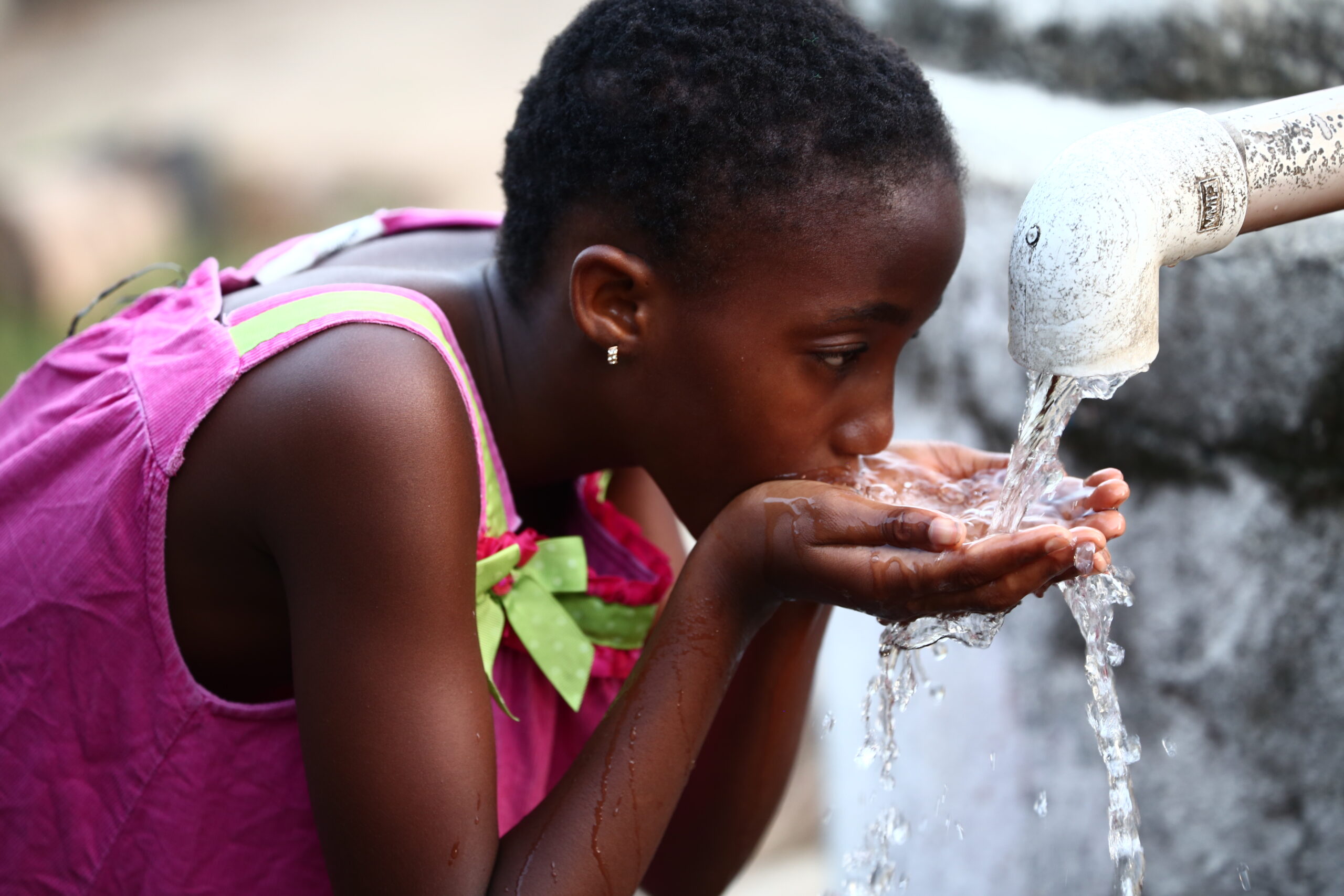
Photo: A child drinks water from a handpump in Liberia. Credit: PATH/Nurudeen Sanni.
Understanding the data that drive TCV introduction
TyVAC recently worked with EPI managers and partners in four countries in West Africa. In each country, we gathered typhoid burden data to compile strong evidence for policymakers to consider TCV. TyVAC helps to ensure that policymakers have comprehensive data to evaluate the typhoid burden and risk in their country. Data often include disease burden, antibiotic resistance information, WASH indicators, regional data, and health system capacity. Regional data and experiences from countries that have introduced TCV, including Burkina Faso, Liberia, and Niger, also inform decisions, helping to guide timely and evidence-based vaccine introduction, even in settings with imperfect data.
TyVAC works in close collaboration with national immunization programs and partners, ensuring that the data collection process is transparent, inclusive, and tailored to each country’s needs. By building a clear understanding of typhoid burden and related risk factors, TyVAC helps countries like Benin, Côte d’Ivoire, Mali, and Togo to make informed, strategic decisions about vaccine introduction.
Looking ahead
As Gavi, the Vaccine Alliance moves into a new strategy and policymakers consider currently available vaccines and new vaccines in the pipeline, it will be critical that policymakers have support to weigh burden data, financing, the current routine immunization schedule, and the new vaccine introduction queue. For decision-makers in West Africa, this is particularly essential with high burdens of typhoid, malaria, and meningitis, among other infectious diseases.
Policymakers’ decisions have implications on the national immunization programs for years to come. Government leaders are asked to prioritize effectively, integrate new vaccines smoothly, and build resilient health systems that can adapt to future challenges. This is no small task. When policymakers have partnership, support, and guidance on how donors and global policies are evolving, they are better equipped to make strategic decisions for their country.
Cover photo: Mukizi Kabela-Kondo, a laboratory technician at Kenge General Hospital in the Democratic Republic of the Congo, performs the Widal test, which detects the presence of antibodies against Salmonella typhi, the bacteria that causes typhoid. Credit: TyVAC/Yves Ndjadi.